Wrinkles do not behave the same way from one face to the next. Expression patterns vary, muscles pull differently, and skin recovers at its own pace. That is why the most reliable Botox line reduction plans start with anatomy and habits, not just a syringe. After years of treating foreheads, frown lines, and crow’s feet, I can tell who raises their brows to see their screen, who squints in bright light, and who clenches during traffic. The right technique aims botulinum toxin where it matters, uses the smallest effective Botox dosage, and preserves enough motion to keep you looking like yourself.
This guide walks through how to make cosmetic Botox work for wrinkles and fine lines, where results often fall short, and what to expect at each step of the process. I will pull in numbers when they help, and I will call out trade-offs that are easy to miss during a quick botox consultation.
What Botox can and cannot do for lines
Botox injections relax muscles by blocking acetylcholine at the neuromuscular junction. When the muscle stops contracting so forcefully, dynamic lines soften. Think of the “11s” between the brows from repeated frowning, horizontal forehead lines from lifting the brows, and crow’s feet from squinting. For these, wrinkle botox has a strong track record. Most people see visible smoothing in 3 to 7 days, with full effect around day 10 to 14, lasting 3 to 4 months on average. Some hold 5 to 6 months, especially after repeat botox treatments, while very expressive or athletic patients sometimes metabolize it faster.
Static lines that are etched into the skin do not fully fade with botulinum toxin alone. Botox treatment can stop the line from deepening and soften its appearance, but etched creases may need additional support such as hyaluronic acid filler, laser resurfacing, or microneedling with radiofrequency. If you can see lines at rest before treatment, expect improvement, not erasure, from botox for wrinkles. I often show botox before and after photos that demonstrate 30 to 70 percent smoothing, then discuss whether a staged plan makes sense.
One more limitation: Botox does not lift tissue like a thread or a facelift. It can create the illusion of lift by relaxing depressor muscles, especially around the brow, but we are talking millimeters, not centimeters. Subtle botox can open the eyes and soften a scowl without changing your features.
Target areas and how technique changes the outcome
Forehead botox is not just dots across a grid. The frontalis, the sole elevator of the brows, runs vertically with variable thickness. Over-treat it, and the brows drop; under-treat it, and horizontal lines persist. I divide the forehead into zones, place more superficial micro-aliquots where lines are more etched, and leave the lower forehead lighter to reduce brow heaviness. For someone who lifts their brows to compensate for droopy lids, a conservative approach protects brow position.
Frown line botox targets the corrugators and procerus that pull the brows inward and down. Injection depth matters here. Corrugators sit deeper medially and more superficial laterally. If you treat too shallow near the midline, you under-correct; if you treat too deep laterally, you can drift toward the levator palpebrae and risk eyelid ptosis. Proper finger anchoring and angling reduce that risk. Most patients do well with 3 to 5 points in the glabella complex, but I adjust the spread for asymmetries. A common pattern is a strong right corrugator that gives a single vertical “1” instead of “11s.” Treat what you see, not what the template shows.
Crow feet botox focuses on the lateral orbicularis oculi. I prefer a fan pattern that follows the lines rather than a straight row of dots. Sitting slightly posterior to the orbital rim and avoiding injection below the zygoma reduces the chance of a “chipmunk smile,” where lower face muscles appear too active compared with the relaxed lateral eye. If your smile relies heavily on the orbicularis, I will lighten the dose to protect expression.
The brow line and lateral brow tail respond to carefully placed points in the forehead and glabella balance. A small dosage above the lateral brow can curb the downward pull of the lateral frontalis segments, creating a clean line. This effect is subtle and depends on your baseline anatomy.
Smile lines around the mouth are usually better addressed with filler, skin treatments, or a micro-dose to the DAO (depressor anguli oris) in select cases. Heavy botulinum toxin injections near the mouth risk speech or eating changes. If you are considering botox smile line treatment, expect a cautious approach or a recommendation for combined therapy.
Neck bands and a pebbled chin are off the beaten path but worth mentioning. Vertical platysmal bands respond to a mapped pattern along the bands, often called the “Nefertiti” technique when combined with jawline points that soften a strong downward pull. Pebbled chin from mentalis overactivity responds to tiny doses placed centrally. These are advanced areas better handled by a certified botox injector with plenty of experience.
Micro-dosing, baby botox, and preventive strategies
Baby botox uses smaller units in more points to maintain motion while softening lines. It suits patients who fear a frozen look or rely on expressive behavior for their work. The trade-off is that results fade a bit faster, often closer to 8 to 10 weeks rather than 12 to 16.
Preventive botox is a choice for people in their twenties or early thirties who form deep creases when they animate but do not yet see lines at rest. The idea is to train the muscles to calm before etching sets in. Done sparingly and strategically, preventive botox can slow the timeline of static line formation. The key is restraint and periodic breaks. I recommend re-evaluating the pattern every few cycles so you do not Holmdel botox suppress expression unnecessarily.
Dosing philosophy and unit ranges that make sense
Botox dosage varies by product (onabotulinumtoxinA, abobotulinumtoxinA, incobotulinumtoxinA, daxibotulinumtoxinA) and by individual muscle mass. Unit conversion between brands is not one-to-one. Most clinicians use product-specific ranges. In everyday terms, typical starting ranges for cosmetic botox in the upper face might look like:
- Forehead lines: 6 to 15 units, distributed conservatively to protect brow position. Frown lines (glabella): 12 to 25 units across 3 to 5 points depending on corrugator strength. Crow’s feet: 6 to 12 units per side, adjusted for smile dynamics.
These are not prescriptions, just the ballpark. A thin woman in her forties who rarely exercises her upper face may need less. A man with thick corrugators and strong crow’s feet often needs more. The best botox is the smallest dose that achieves your goals without collateral effects. When in doubt, start lighter, review at 2 weeks, then add a botox touch up.
Mapping and marking: small steps that prevent big problems
Good botox therapy starts before a needle touches skin. I ask patients to frown, raise, and smile to see the way lines form. I look for asymmetries, such as one eyebrow that sits higher or a cheek that pulls harder when smiling. I mark the anatomy with a removable pencil, then I palpate to find the belly of each muscle. This is not overkill. It is insurance against drift and under-correction.
Angles and depth change by area. The glabella often needs deeper placement near the corrugator origin, then a shallower angle as the fiber fans laterally. The forehead prefers very superficial, intradermal or just-subdermal blebs for etched lines, and subcutaneous placements for general suppression. Crow’s feet sit in an area with delicate vessels; gentle pressure and slow injections reduce bruising.
I keep the syringe orientation consistent, release pressure before withdrawing, and dab, not rub. Rubbing can track product into adjacent muscles. It is a small detail that lowers the risk of undesired effects.
What a well-run appointment feels like
A thorough botox appointment includes a conversation about your goals, your medical history, and your prior experience with botulinum toxin injections. Blood thinners, even over-the-counter supplements like fish oil or ginkgo, raise bruising risk. A fast heart rate or unchecked thyroid issues can make you metabolize faster. Migraine patterns, eye dryness, and a history of eyelid droop matter for planning. If we are also using medical botox for conditions like bruxism or migraines, I map those sites separately and explain how cosmetic zones may interact.
Photos help. Baseline and follow-up images taken in three expressions and at rest show what changed. They also help us spot the 5-degree brow lift you might miss when you see your face every day.
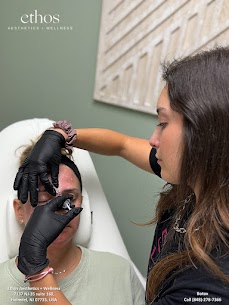
The injection portion takes 5 to 15 minutes. Most people describe the feel as a quick pinch and a few seconds of pressure. Ice or a numbing cream helps, though most skip it for the upper face. Expect a few red marks that fade in 15 to 30 minutes and the occasional tiny bump that settles within an hour.
Aftercare that actually matters
You do not need an elaborate routine after safe botox treatment. A few simple rules reduce risk of migration and bruising.
- Stay upright for 3 to 4 hours after botox cosmetic injections. Skip naps and inverted yoga poses. Refrain from rubbing or massaging treated areas for the rest of the day. Pat gently when applying skincare. Avoid strenuous workouts and saunas for the first 24 hours. Heat and increased circulation can raise the chance of product spread or bruising.
Make-up is fine after a few hours if the skin looks calm. If you see a small bruise, a cool compress for 5 to 10 minutes a few times the first day helps. Arnica can speed resolution for some, but the evidence is mixed. If you have an event, allow at least 2 weeks to see botox results at their peak and let any small bruises fade.
Safety, side effects, and how to avoid them
Botox safety is strong when injections are performed by a trained professional using an FDA-cleared product. Still, any drug has risks. Common effects include transient redness, swelling, pinpoint bruises, mild headache, and a tight feeling as the muscle relaxes. These typically resolve within days.
Less common issues deserve careful prevention: eyelid ptosis from toxin spread to the levator muscle, asymmetric brows, smile changes from orbicularis or zygomatic involvement, or a heavy forehead from over-suppression of the frontalis. Most of these are technique-related. To reduce risk, choose a trusted botox provider who understands anatomy and dilutions, and be honest about your expression habits.
Serious adverse events are rare in cosmetic use at typical doses. If you experience symptoms like difficulty swallowing, persistent hoarseness, or breathing trouble, seek medical attention. These are extremely uncommon with facial botox doses but must be taken seriously.
Allergy to botulinum toxin is very rare. If you have a history of sensitivities to albumin or previous reactions, disclose that before your botox cosmetic procedure. Pregnant or breastfeeding patients are generally advised to postpone botox injection therapy, as safety evidence is limited.
Getting natural looking results
The line between refreshed and “done” is not the number of units; it is distribution, timing, and restraint. I spend more time deciding where not to inject than patients realize. If your eyebrows lift asymmetrically when you talk, I will preserve a touch of frontalis activity on your expressive side. If your crow’s feet crinkle when you belly laugh, I will soften them, not erase them, to keep that joy readable.
Staggered sessions produce subtle botox that reads as good sleep and lower stress rather than a procedure. A small trial run for a first-timer, then a two-week review, builds trust and teaches us how your muscles respond. Some patients do best with a winter schedule when sun exposure is lower and skin recovers faster. Others pair botox facial treatment with a spring laser plan and a fall microneedling series for collage support. The point is to integrate botox facial injections into your broader skin strategy, not to chase every line with a needle.
Combining treatments for etched lines
For forehead and glabellar lines that you can see at rest, pairing botulinum toxin injections with resurfacing tightens the plan. Light, fractional non-ablative lasers or microneedling with radiofrequency can remodel collagen in the superficial dermis. A fine hyaluronic acid filler placed with a micro-cannula can lift the base of a deep crease, then the anti wrinkle botox prevents the muscle from re-etching it. Skincare matters too. A nightly retinoid, daily sunscreen, and a well-formulated vitamin C serum push the skin to build and protect collagen. Patients often underestimate the role of UV in forehead lines. Unprotected sun exposure can undo months of progress, regardless of perfect injections.
How long does Botox last and how to extend it
The average span sits around 3 to 4 months for most upper-face zones. Factors that shorten botox longevity include fast metabolism, high-intensity workouts multiple times a website week, and strong habitual expressions. Factors that extend it include consistent schedules for repeat botox treatments, slightly higher dosing within safe ranges for robust muscles, and reduced sun exposure and squinting.
A practical cadence is three to four sessions per year. Some patients alternate areas: crow’s feet and glabella in one session, forehead the next, especially if they are prone to brow heaviness. Over time, you may need fewer units as muscles decondition, a gentle sign that maintenance is working. If you find results only hold for six to eight weeks despite appropriate dosing, evaluate thyroid status, medication changes, and whether botox was diluted correctly, then consider a different botulinum toxin formulation.
Cost, value, and how to navigate deals
Botox cost varies by geography, brand, and the expertise of the injector. Clinics charge by unit or by area. Per-unit pricing often ranges widely, and total botox price depends on how many units you need. Be cautious with rock-bottom botox deals that promise a flat fee for unlimited units. Over-dilution, inexperienced injectors, or off-label products can turn a bargain into a headache. Ask what brand is used, how it is stored, and the standard dilution. A top rated botox clinic will answer without defensiveness and will show you the bottle if you ask.
The most affordable botox in the long run is the one that achieves your goal with the fewest revisions, touch-ups, and complications. If budget is tight, prioritize the area that bothers you most and address it well rather than sprinkling micro-doses across the whole face.
Choosing a provider: credentials and intangibles
The label “botox specialist” is not a formal certification by itself. Look for a licensed medical professional who performs professional botox injections routinely and can discuss anatomy, dosing logic, and side-effect management. Board certification in a relevant specialty helps, as does a portfolio of before-and-after photos that look like real people. During the consult, the best botox providers ask how you use your face rather than simply counting lines. If the plan is copy-paste, seek a second opinion.
Your rapport with the injector matters. If you feel rushed or brushed off when you share concerns about eyelid droop risk or a previous uneven lift, that is a red flag. Precision is not only technical, it is communicative. You should leave with a clear plan, aftercare instructions, and a timeline for review.
A realistic timeline from first consult to maintenance
At the botox consultation, expect a review of health history, photos, and a mapped plan. If you proceed the same day, the injections take minutes. Plan to look event-ready in two weeks. If a minor tweak is needed, a touch-up appointment is quick and typically uses a small number of additional units.
Over the first year, aim for consistency rather than maximal dosing. Your muscles will adapt, the injector will dial in your map, and your results will feel more natural. I advise most patients to schedule maintenance before the effect fully wears off, often at 12 to 14 weeks, to avoid the yo-yo of strong creasing returning between visits. If you prefer more motion, stretch to 16 weeks and reassess.
Special cases and edge considerations
Athletes and very active individuals sometimes report shorter duration. I plan slightly higher doses within safe ranges or consider alternative formulations. Hypermetabolizers benefit from consistent timing rather than chasing fade with early top-ups.
Migraine patients who receive medical botox under a therapeutic protocol should coordinate cosmetic zones with their treating clinician. Overlapping maps are fine, but we avoid redundant units or conflicting goals like heavy forehead suppression in someone who relies on frontalis for visual comfort.
Men often require more units due to greater muscle mass, especially in the corrugators and frontalis. The goal remains natural looking botox, not a wipeout of motion that looks odd at rest. A conservative first round is still wise.
Older patients with significant skin laxity may want a different plan. While botox wrinkle reduction can soften movement lines, skin excess and volume loss may be the primary issues. Here, a blend of filler, skin tightening, and skincare outperforms escalating toxin doses.
What success looks and feels like
The best compliment after botox wrinkle injections is not “Nice Botox.” It is “You look rested.” Your partner may notice you seem less stern in conversation. Your selfies need fewer retakes because the deep line between your brows no longer dominates the frame. At rest, your face is still yours. In motion, your expressions read clearly, just without the harsh creases that used to steal attention.
Expectations stay realistic when we measure what matters. For a strong glabella, a 60 percent reduction in the “11s” is a win. For crow’s feet on a newscaster who smiles on camera, a 30 to 40 percent softening can look more natural than a full freeze. If the forehead feels heavy after day 7, the plan for next time is to lighten the lower forehead points and rely more on glabellar treatment to allow a small brow lift.
Putting it together: a simple plan that works
- Start with a focused map of your top concern, not the entire face. Review anatomy, photos, and a dosing rationale with a certified botox injector. Use conservative dosing the first time. Return at 2 weeks for a check and a small touch-up if needed. Protect results with basic aftercare, consistent sunscreen, and, if needed, skin treatments that address etched lines. Schedule maintenance at 12 to 16 weeks based on how long your botox effectiveness holds. Adjust the plan, do not just increase the dose blindly. Reassess yearly. Faces change, habits change, and your plan should evolve alongside them.
With thoughtful placement, the right botox dosage, and a provider who treats the face in motion, botox line reduction delivers reliable, natural results. It is not about chasing every wrinkle. It is about dialing down the muscles that etch lines while keeping your expressions intact. If you leave the clinic looking exactly the same but your face moves a little more freely and your lines soften a little each day, that is botox working the way it should.